Industry
Why high-purity POCl3 matters for semiconductor doping
POCl3 is a standard phosphorus source for making n-type silicon. Here is how it is used and why purity and moisture control decide device quality.
Read articlePlain-language guides to phosphorus chemistry, applications and the industries we serve.
Phosphorus chlorides sit at the start of many value chains, yet they are rarely explained clearly. Our team writes short, practical articles that help purchase, quality and R&D teams understand what these materials do, how they differ and why supply quality matters.
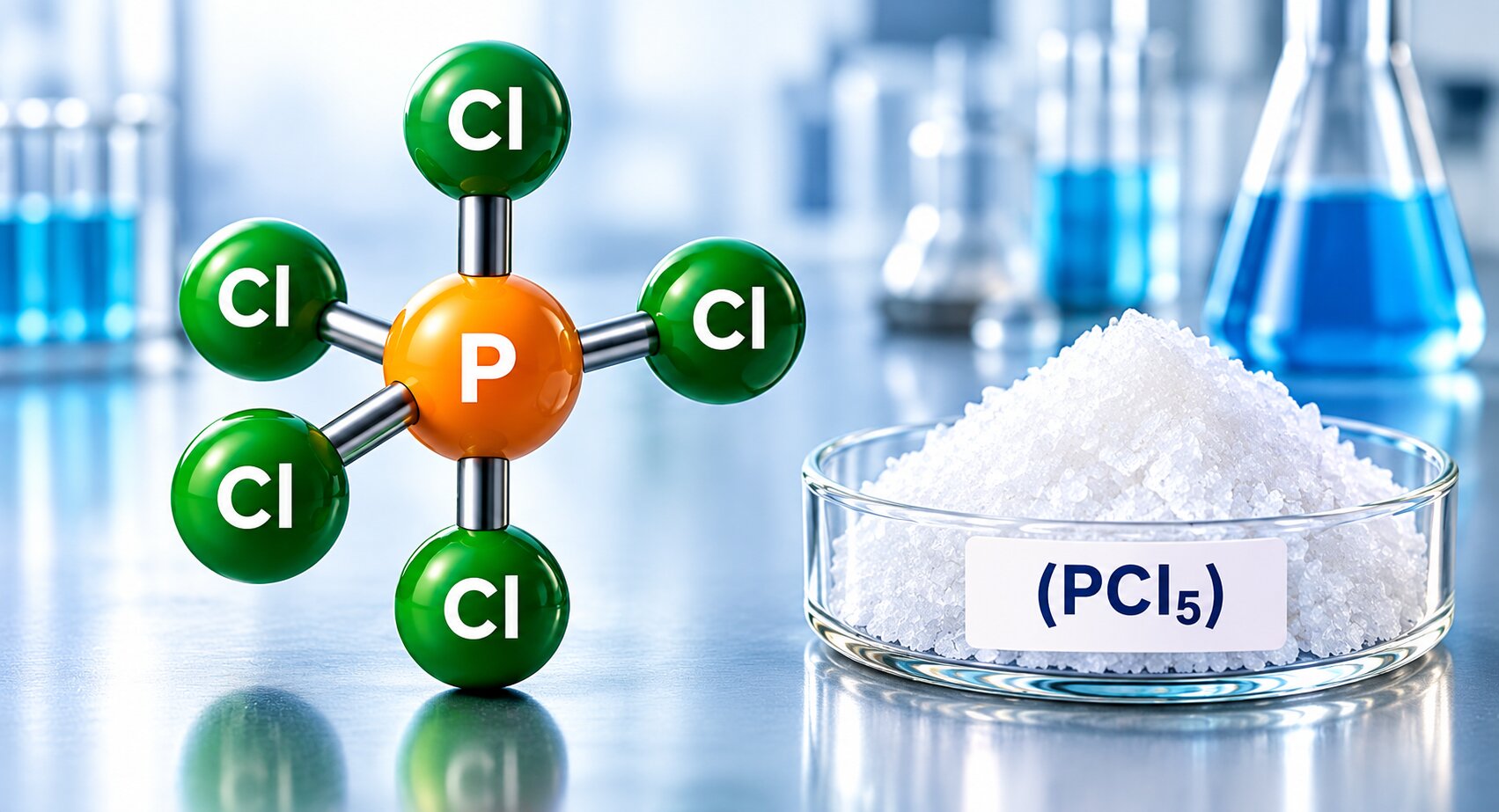
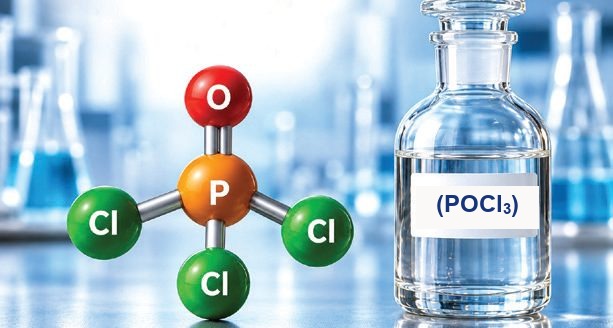
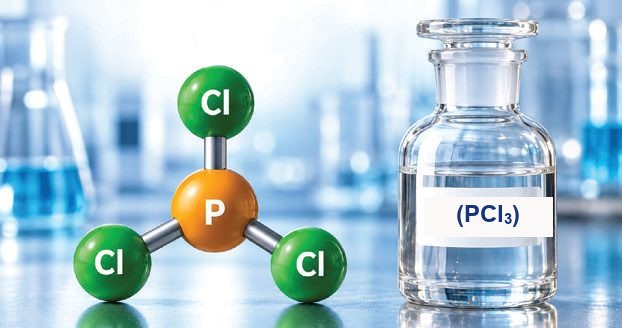
Browse the latest articles below. Topics include the differences between PCl₃, POCl₃ and PCl₅, the role of high-purity POCl₃ in semiconductor doping, and the link between PCl₅ and lithium-ion battery electrolytes. If you would like us to cover a topic, tell us.
POCl3 is a standard phosphorus source for making n-type silicon. Here is how it is used and why purity and moisture control decide device quality.
Read articleMost lithium-ion cells rely on an electrolyte salt that starts with phosphorus chemistry. Here is the chain from PCl5 to the battery in an electric vehicle.
Read articleTopics we cover
Stay in touch
Articles are general guidance. For specifications, documents and pricing, talk to our team directly.
Who it is for
Our articles are aimed at procurement managers who need to understand what they are buying, process chemists choosing between reagents, quality teams writing specifications, and engineers planning new supply chains for batteries, semiconductors, agrochemicals and pharmaceuticals.
We keep the language plain and the claims modest. Where a topic depends on your exact process or grade, we say so and point you to the right documents.
How to use these guides
If you are new to phosphorus chlorides, begin with the comparison of PCl₃, POCl₃ and PCl₅. If you work in electronics or energy storage, the industry notes explain why purity and moisture control matter so much. Each article links to the relevant product and industry pages, where you can find CAS and HSN codes, applications and handling notes.
Everything here is general information. For specifications, safety data sheets and pricing, contact our team.
FAQ
The Shreeyansh Labs team, drawing on the experience of our chemical engineers and analysts at the Kucharam plant.
No. They are general explanations. Product specifications, technical data sheets and safety data sheets are provided with each quotation.
Yes. Send us your question through the contact page and we will consider it for a future article.
Tell us the grade and quantity. Our team will respond with a quotation and technical documents.