When people think about electric-vehicle batteries they usually think of lithium, nickel and cobalt. Less visible is the electrolyte, the liquid that lets lithium ions move between the electrodes. In most lithium-ion cells the key salt in that electrolyte is lithium hexafluorophosphate, LiPF6, and its supply chain begins with phosphorus chemistry.
What the electrolyte does
Inside a cell, lithium ions travel through the electrolyte every time the battery charges or discharges. The electrolyte must conduct ions well, stay stable over many cycles and help form the thin protective layer on the electrodes that keeps the cell safe and long-lived. LiPF6 dissolved in organic carbonate solvents has become the standard because it balances these needs better than most alternatives.
Where PCl5 comes in
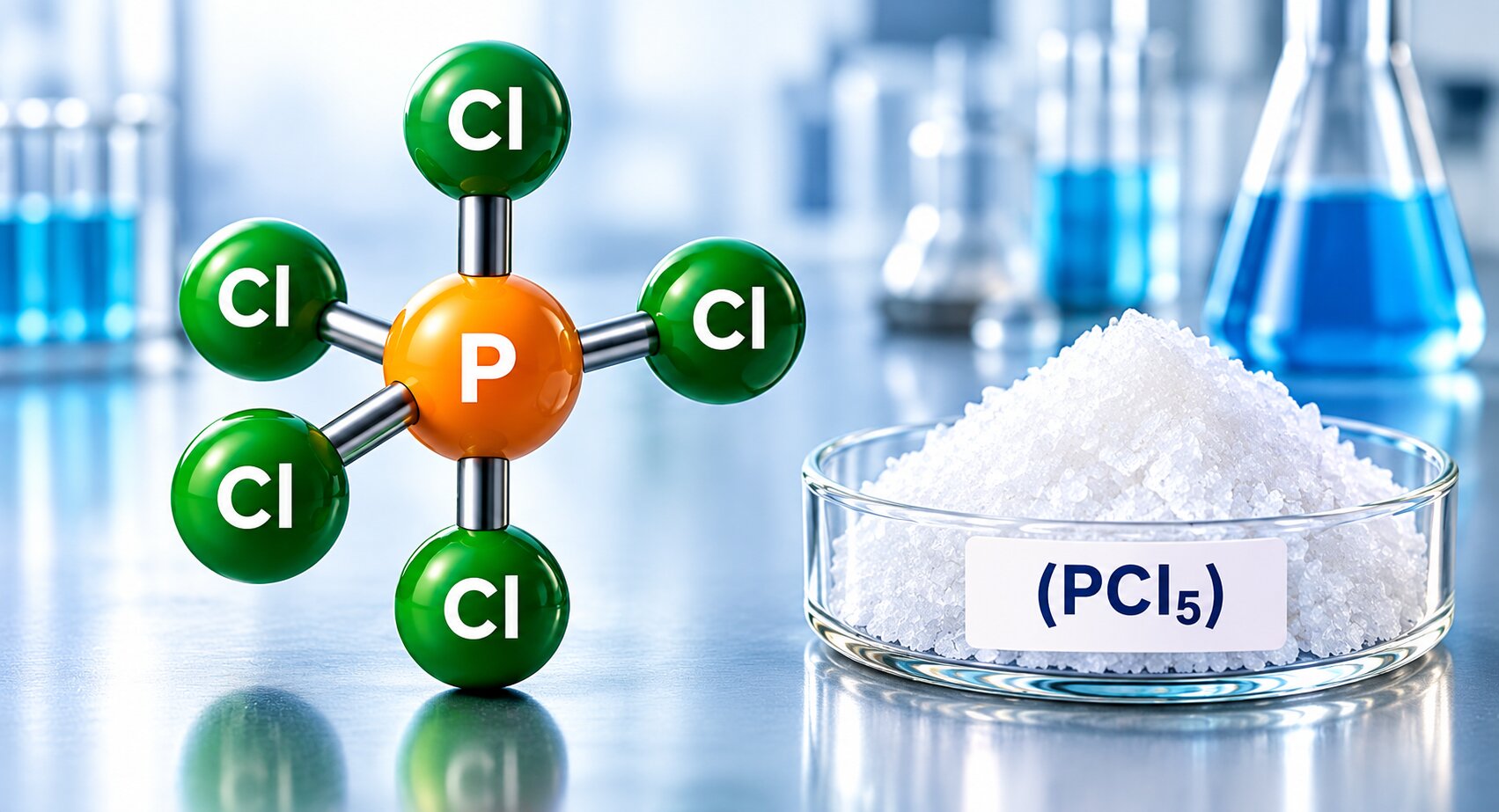
Phosphorus pentachloride (PCl5) is a critical raw material for producing LiPF6. The phosphorus chlorides are converted through several steps into the hexafluorophosphate salt, so the quality of the starting material influences the quality of the final electrolyte salt.
Why purity and moisture control matter
LiPF6 is sensitive to moisture and can break down to form acidic by-products that harm battery performance and life. Electrolyte makers therefore demand high-purity raw materials, tight control of impurities and moisture, and consistent supply. Battery-grade requirements are stricter than for general chemical use.
A growing market
Electric two-wheelers, passenger cars, commercial vehicles, buses and stationary energy storage all need batteries, and India is building lithium-ion cell manufacturing capacity to meet that demand. Demand for high-purity PCl5 is currently driven by a small number of electrolyte manufacturers, while domestic production of battery-grade PCl5 remains limited. Demand is expected to rise faster than local supply in the coming years, which supports the Make in India and Atmanirbhar Bharat goals of a stronger domestic battery supply chain.
Beyond batteries
PCl5 is also a strong chlorinating agent used in pharmaceutical intermediates, agrochemicals, dyes and specialty chemicals, so a producer can serve several industries from one process.
Where Shreeyansh Labs fits
Shreeyansh Labs produces PCl5 at its Kucharam facility, backed by integrated phosphorus chemistry and an in-house laboratory. If you manufacture electrolytes or cell materials and are planning a domestic supply chain, we would like to hear about your volumes and specifications. Request a quote or read more about the lithium-ion industry.
Shreeyansh Labs manufactures phosphorus chlorides at Kucharam, Medak, Telangana. Ask for a quotation and technical documents.