Phosphorus trichloride (PCl3), phosphorus oxychloride (POCl3) and phosphorus pentachloride (PCl5) are often mentioned together because they belong to the same family and are made from the same starting point. Their chemistry, however, is quite different, and choosing the wrong one costs yield and time. This guide explains the differences in plain language.
Where they come from
All three begin with elemental phosphorus. Controlled chlorination of phosphorus gives PCl3, a colourless, fuming liquid. PCl3 is the platform: oxidising it gives POCl3, and reacting it with more chlorine gives PCl5, a pale solid. That is why a plant that makes one can usually make all three, and why the three are often sourced from the same supplier.
PCl3: the versatile building block
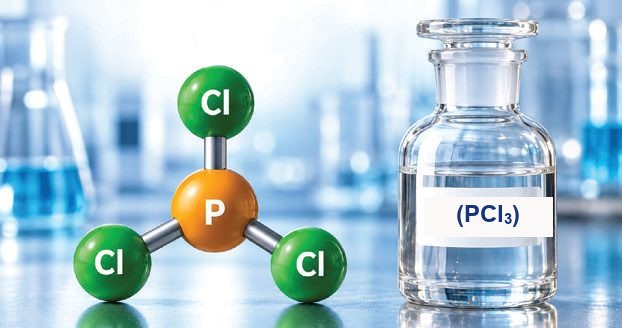
PCl3 contains trivalent phosphorus. It is widely used as an intermediate for agrochemicals, flame retardants, plasticizers and stabilisers, and for pharmaceutical intermediates. It is also the raw material for POCl3 and PCl5, so demand for the other two is tied to PCl3 production.
POCl3: the precise reagent
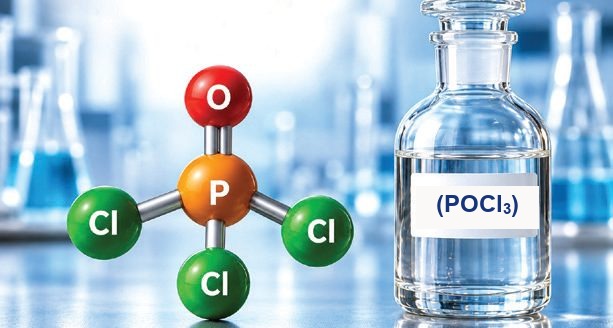
POCl3, also called phosphoryl chloride, contains pentavalent phosphorus with one oxygen atom. It is a favourite reagent in pharmaceutical synthesis, for example in Vilsmeier-Haack formylation and in chlorination and dehydration steps. It is also a phosphorus source in semiconductor and solar-cell manufacturing, where very high purity is required.
PCl5: the strong chlorinating agent
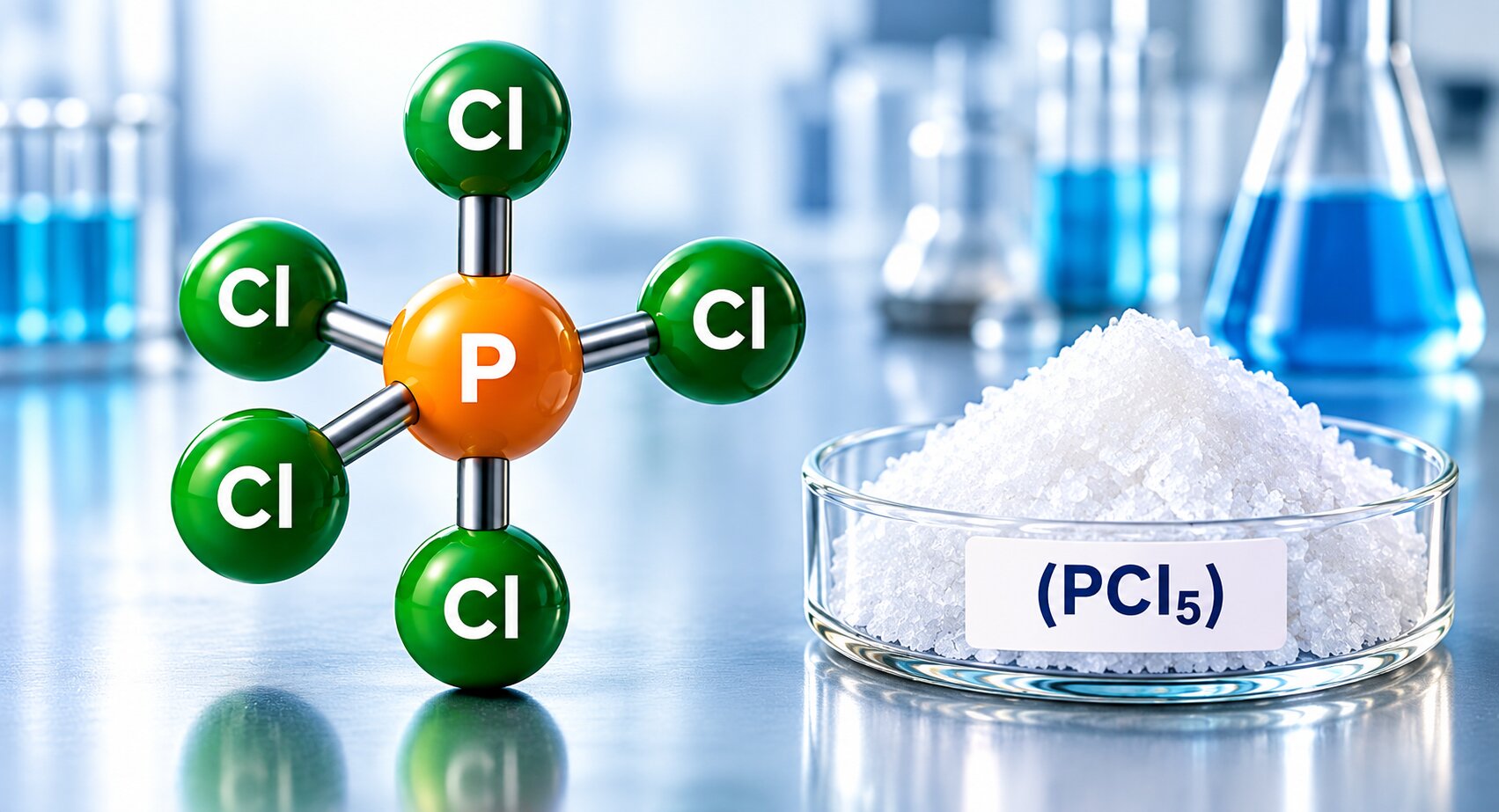
PCl5 is a solid and a powerful chlorinating agent. It converts carboxylic acids and alcohols to chlorides and is used in pharmaceutical intermediates, agrochemicals, dyes and pigments. It is also a raw material for lithium hexafluorophosphate (LiPF6), the electrolyte salt used in most lithium-ion batteries.
Side-by-side comparison
| Property | PCl3 | POCl3 | PCl5 |
|---|---|---|---|
| Typical form | Fuming liquid | Fuming liquid | Crystalline solid |
| Formula | PCl3 | POCl3 | PCl5 |
| CAS number | 7719-12-2 | 10025-87-3 | 10026-13-8 |
| Typical role | Intermediate and platform | Reagent, dopant source | Chlorinating agent, LiPF6 raw material |
Handling matters for all three
All three react with water and release hydrogen chloride, so they must be kept dry, stored in suitable closed containers and handled by trained people using proper protective equipment. Always follow the current safety data sheet.
How to choose
- If you need a general phosphorus intermediate, start with PCl3.
- If you need a clean chlorination, dehydration or formylation reagent, or a dopant source, look at POCl3.
- If you need a strong solid chlorinating agent, or you are in the battery-materials chain, look at PCl5.
Shreeyansh Labs manufactures all three at Kucharam, Medak, Telangana. If you are unsure which suits your process, talk to our team or request a quote.
Shreeyansh Labs manufactures phosphorus chlorides at Kucharam, Medak, Telangana. Ask for a quotation and technical documents.